Understanding the Foreign Earned Revenue Exclusion and Its Influence on Your Basic Reduction
The Foreign Earned Earnings Exclusion (FEIE) offers significant advantages for expatriates, enabling them to exclude a section of their foreign-earned revenue from U.S. tax. Declaring the FEIE can complicate one's tax obligation circumstance, specifically regarding the common deduction. Understanding this communication is crucial for people living abroad. As migrants navigate these intricacies, they must consider exactly how their options affect their total tax obligation obligation. What approaches can they utilize to optimize their economic outcomes?
What Is the Foreign Earned Revenue Exclusion (FEIE)?
The Foreign Earned Income Exemption (FEIE) serves as a crucial tax benefit for U.S. residents and resident aliens working abroad. This stipulation allows qualified people to omit a considerable portion of their foreign-earned income from U.S. taxes, properly minimizing their overall tax worry. The FEIE aims to relieve the monetary stress on migrants and encourages Americans to go after employment possibility in international markets. The exclusion puts on incomes, wages, and professional charges gained while living in a foreign country. The optimal exemption quantity is changed each year for rising cost of living, making sure that it continues to be relevant to current economic conditions. By utilizing the FEIE, expatriates can retain more of their income, promoting monetary stability while living overseas. Overall, the FEIE plays an essential duty in forming the monetary landscape for Americans abroad, facilitating a smoother shift to global workplace and advertising financial interaction on an international scale.
Qualification Demands for the FEIE
Eligibility for the Foreign Earned Revenue Exclusion (FEIE) is contingent upon meeting details criteria set by the Irs (IRS) Mostly, people should be united state citizens or resident aliens that gain revenue while residing in an international country. To certify, they must please one of 2 key tests: the Physical Presence Test or the Bona Fide Home Examination.
The Physical Existence Examination calls for people to be literally existing in a foreign country for at the very least 330 complete days within a 12-month period - FEIE Standard Deduction. On the other hand, the Bona Fide Residence Examination necessitates that people establish residency in a foreign nation for an undisturbed period that consists of an entire tax year
Furthermore, the revenue should be derived from individual solutions carried out in the foreign nation. Meeting these needs enables taxpayers to omit a significant part of their foreign-earned earnings from U.S. taxes, consequently reducing their general tax obligation responsibility.
Just how to Declare the FEIE

To start the process, individuals must collect papers that verify their international revenues, such as pay stubs, income tax return from foreign countries, and any type of pertinent work contracts. It is essential to guarantee all earnings claimed under the FEIE is gained from international sources and meets the needed thresholds.
Additionally, taxpayers must think about submitting deadlines and any kind of possible expansions. Claiming the FEIE correctly not only helps in reducing tax obligation liability but also ensures conformity with IRS regulations. Correct documentation and adherence to guidelines are crucial for a successful case of the Foreign Earned Earnings Exclusion.
The Communication In Between FEIE and Typical Reduction
The interaction between the Foreign Earned Revenue Exemption (FEIE) and the basic deduction is a necessary element of tax preparation for expatriates. Understanding the basic principles of FEIE, in addition to the constraints of the common deduction, can considerably impact tax obligation filing approaches. This area will explore these aspects and their implications for taxpayers living abroad.
FEIE Fundamentals Described
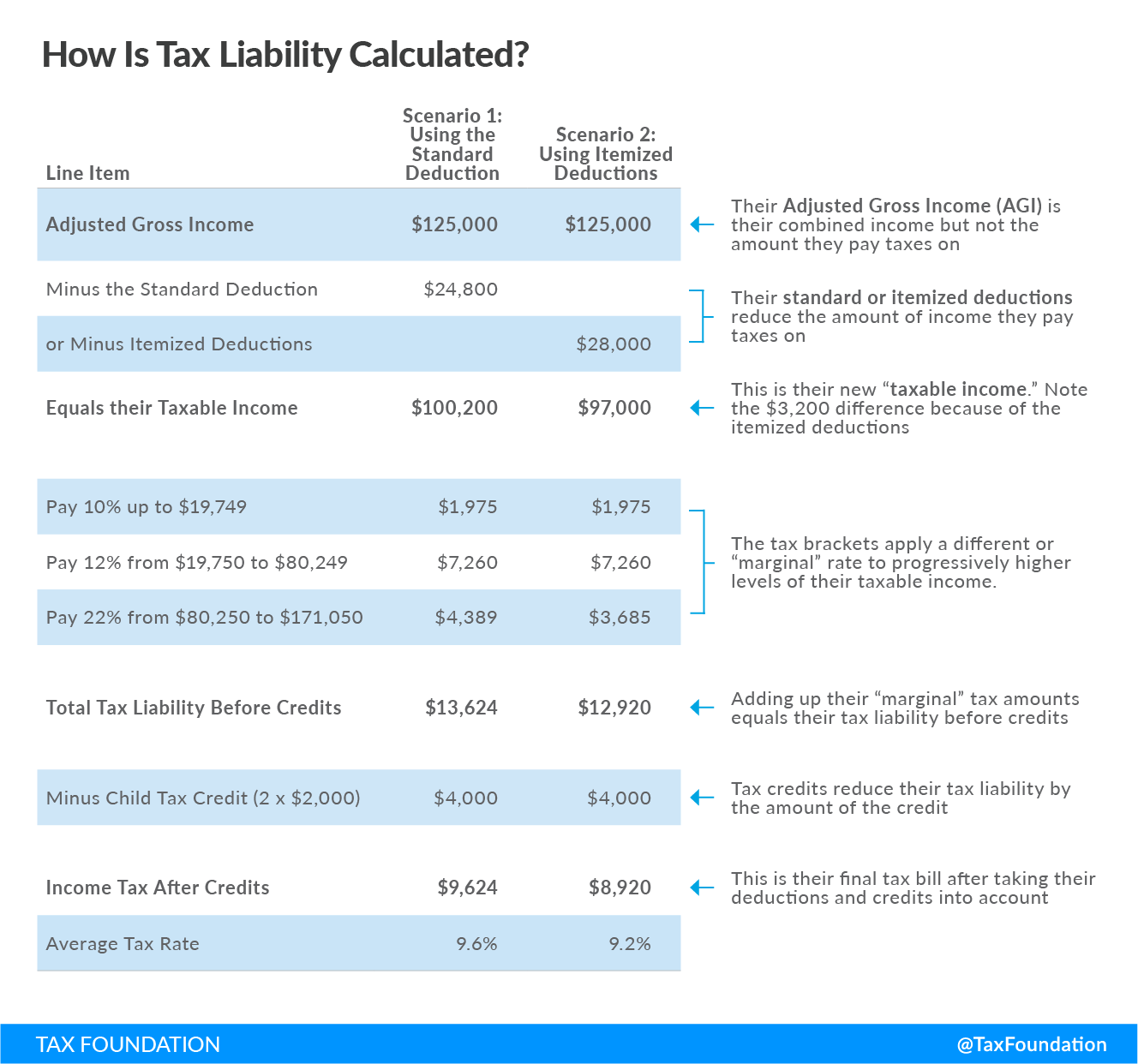
While lots of migrants look for to minimize their tax obligation concern, comprehending the communication between the Foreign Earned Earnings Exclusion (FEIE) and the common deduction is important. The FEIE enables U.S. residents and resident aliens living abroad to omit a specific amount of international made income from united state tax. This exemption can considerably reduce taxable revenue, possibly influencing eligibility for various other deductions, such as the common deduction. Remarkably, people who declare the FEIE can not also take the standard reduction versus the left out revenue. Because of this, expatriates should thoroughly review their overall revenue and reductions to maximize their tax situation. Recognition of these interactions can bring about more informed economic decisions and far better tax methods for expatriates steering through their unique situations.
Requirement Deduction Limitations
Recognizing the restrictions published here of the standard reduction in regard to the Foreign Earned Income Exemption (FEIE) is vital for expatriates navigating their tax obligation duties. While the FEIE permits certifying individuals to leave out a particular amount of foreign-earned earnings from U.S. taxation, it can impact the basic reduction they are eligible to insurance claim. Specifically, taxpayers who assert the FEIE can not also claim the common reduction on that excluded earnings. Additionally, if a migrant's complete earnings drops below the common reduction limit, they may not benefit from it at all. This interplay demands mindful preparation to maximize tax obligation benefits, as underutilizing the standard deduction can cause greater gross income and increased tax obligation liability. Recognizing these limitations is critical for efficient tax strategy.
Tax Filing Implications
Maneuvering the tax declaring implications of the Foreign Earned Earnings Exemption (FEIE) requires cautious consideration of how it interacts with the common deduction. Taxpayers using the FEIE can leave out a considerable portion of their foreign-earned earnings, but this exemption impacts their eligibility for the typical deduction. Specifically, if a specific cases the FEIE, they can not additionally declare the basic reduction for that earnings. This can result in a lower general tax obligation liability however might complicate the filing process. Furthermore, taxpayers need to ensure compliance with IRS demands when filing Kind 2555 for the FEIE. Understanding these interactions is vital for optimizing tax obligation advantages while preventing prospective risks in the declaring procedure. Careful preparation can make best use of benefits and lessen responsibilities.
Prospective Tax Obligation Ramifications of Utilizing the FEIE
The Foreign Earned Earnings Exemption (FEIE) supplies significant tax obligation benefits for U.S. residents working abroad, however it likewise comes with potential ramifications that call for careful factor to consider. One significant repercussion is the effect on qualification for specific tax obligation credit histories and reductions. By choosing to utilize the FEIE, taxpayers may unintentionally minimize their adjusted gross revenue, which can restrict access to credit reports like the Earned Revenue Tax obligation Debt or lower the quantity of basic reduction offered.
In addition, individuals who make use of the FEIE might encounter difficulties when going back to the U.S. tax system, specifically concerning the taxation of future revenue. The exclusion applies only to gained revenue, implying other earnings kinds, such as returns or rate of interest, continue to be taxed. This distinction necessitates precise record-keeping to assure conformity. Finally, the FEIE might influence state tax commitments, as some states do not identify the exemption and may tire all income earned by their homeowners, no matter where it is earned.
Tips for Optimizing Your Tax Benefits While Abroad
While functioning abroad can be improving, it also provides special possibilities to optimize tax obligation benefits. To make best use of these advantages, individuals need to initially determine their qualification for the Foreign Earned Revenue Exclusion (FEIE) and consider the physical existence test or the bona fide house visit this site right here test. Maintaining in-depth documents of all earnings gained and costs sustained while overseas is necessary. This documents supports insurance claims for debts hop over to these guys and deductions.
Furthermore, recognizing the tax treaties in between the United States and the host country can aid prevent dual taxes. People should also check out contributions to tax-advantaged accounts, such as Individual retirement accounts, which might offer additional reductions.

Last but not least, consulting a tax obligation expert concentrating on expatriate tax regulation can use customized techniques and assurance conformity with both U.S. and foreign tax commitments. By taking these actions, expatriates can properly boost their financial situation while living abroad.
Frequently Asked Inquiries
Can I Utilize FEIE if I Benefit an International Federal government?
Yes, an individual can make use of the Foreign Earned Income Exemption (FEIE) while functioning for an international federal government, supplied they satisfy the requisite problems described by the internal revenue service, consisting of the physical visibility or authentic home examinations.
Does FEIE Relate To Self-Employment Income?
The Foreign Earned Income Exclusion (FEIE) does put on self-employment revenue, provided the specific fulfills the needed demands. Qualified freelance people can exclude qualifying income gained while staying in an international nation from tax.
Suppose My International Income Surpasses the FEIE Limit?
The excess quantity may be subject to U.S. tax if foreign earnings surpasses the FEIE limit. Taxpayers must report and pay tax obligations on the income over the exemption threshold while still taking advantage of the exclusion.
Can I Assert the FEIE and Itemize Reductions?
Yes, people can assert the Foreign Earned Income Exemption (FEIE) while also itemizing reductions. They have to be mindful that declaring the FEIE might influence the accessibility of certain itemized reductions on their tax return.
How Does FEIE Impact My State Tax Obligation Responsibilities?
The Foreign Earned Income Exemption can reduce state tax responsibilities, as several states follow government standards. However, specific state rules vary, so it's important to consult state tax obligation guidelines for certain ramifications on tax obligation duties.
The Foreign Earned Earnings Exclusion (FEIE) supplies considerable benefits for expatriates, allowing them to leave out a section of their foreign-earned income from United state taxation. While numerous expatriates look for to minimize their tax problem, comprehending the communication in between the Foreign Earned Revenue Exclusion (FEIE) and the common reduction is vital. Recognizing the constraints of the standard deduction in relationship to the Foreign Earned Income Exemption (FEIE) is important for expatriates navigating their tax obligation duties. The exemption applies just to gained revenue, meaning other earnings kinds, such as returns or passion, stay taxable. The Foreign Earned Revenue Exemption (FEIE) does apply to self-employment income, offered the private meets the required demands.